
01
Half-Round Zinc
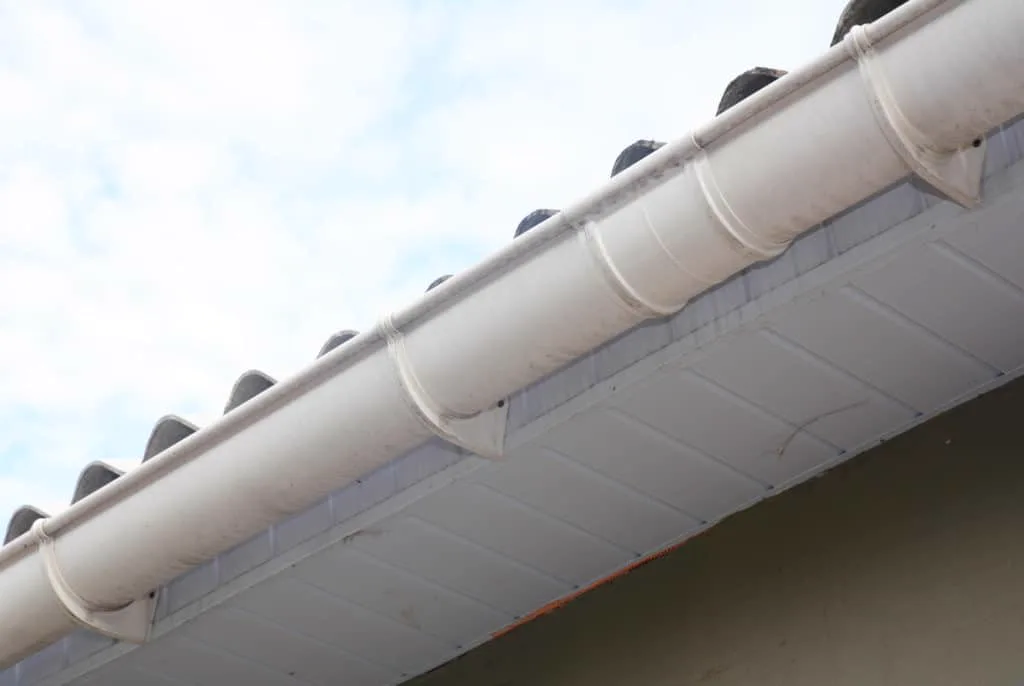
The classic pairing for a traditional or historic home, with a rounded trough that suits zinc's soft finish. See our half-round gutters.
At Big Easy Gutter, we install zinc gutters on New Orleans homes in half-round, box and fascia profiles. Zinc weathers to a silver-gray patina that protects the metal, giving you a premium, natural finish without the green of copper.
Zinc gutters are formed from sheet zinc and develop a natural patina that protects them against corrosion. This Old House rates zinc for durability and low maintenance, but notes it costs more upfront and needs professional installation because the details are demanding. It suits homes that want natural metal in gray.
If you like the idea of natural metal gutters but not the green of copper, contact us and ask about zinc.
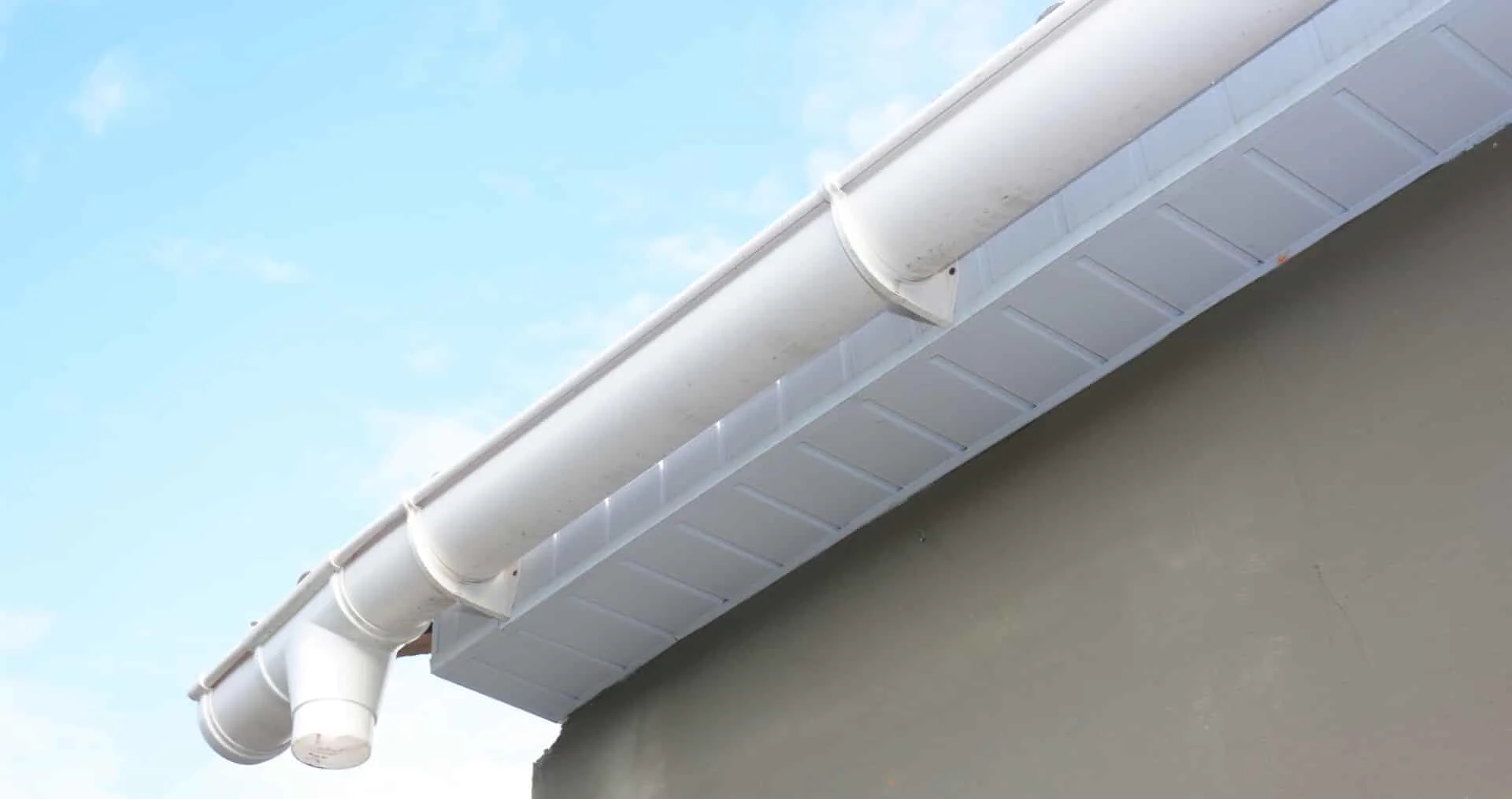
We install zinc in three profiles: half-round, box and fascia. Half-round suits traditional and historic homes, box gives a crisp line on contemporary or larger roofs, and fascia mounts directly to the roof edge as both gutter and trim. The right choice depends on your roofline and how much water it sheds.
The classic pairing for a traditional or historic home, with a rounded trough that suits zinc's soft finish. See our half-round gutters.
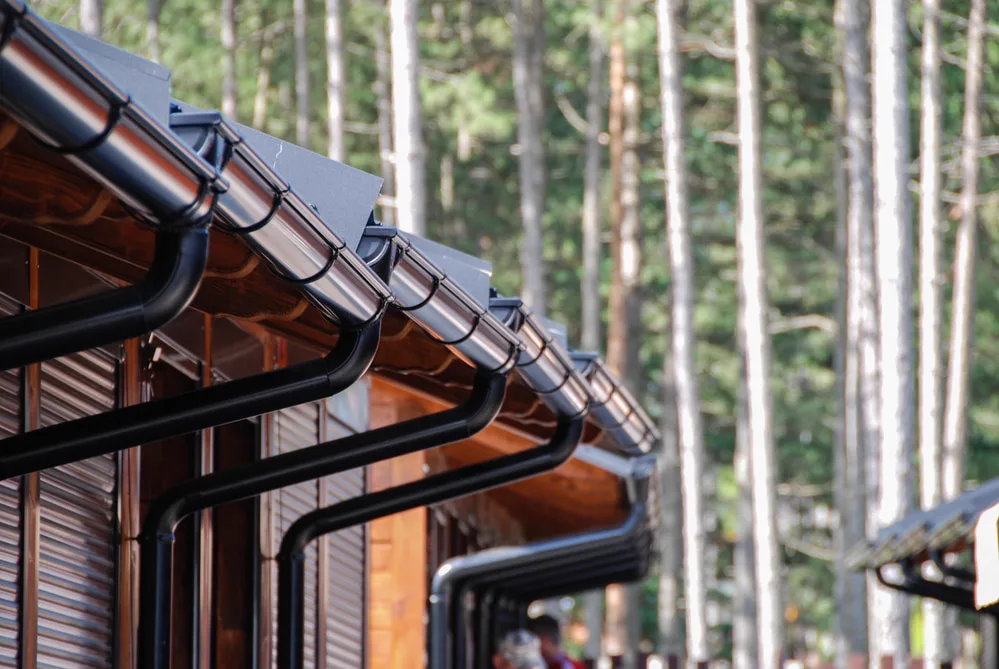
Straight sides and a clean, modern look, with room for the water off a larger roof. Learn more about box style gutters.
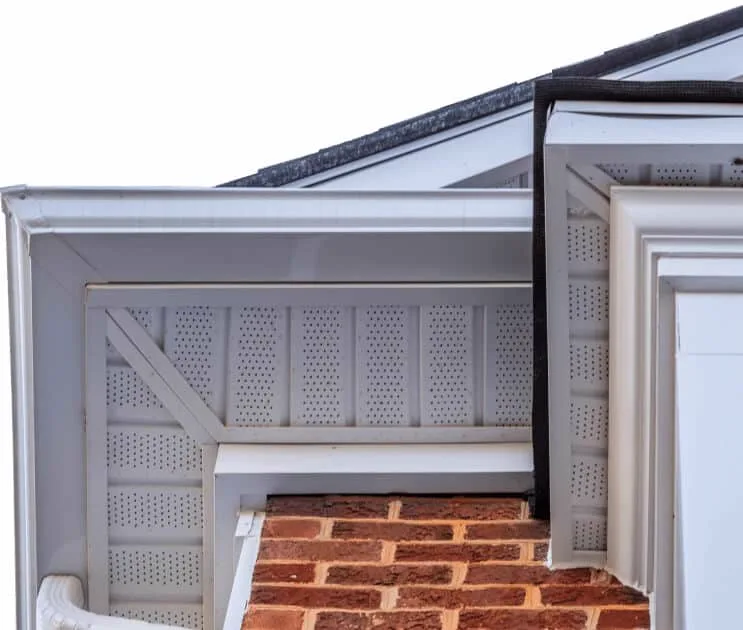
Mounted directly to the fascia for a seamless look along the roof edge. Compare fascia gutters.
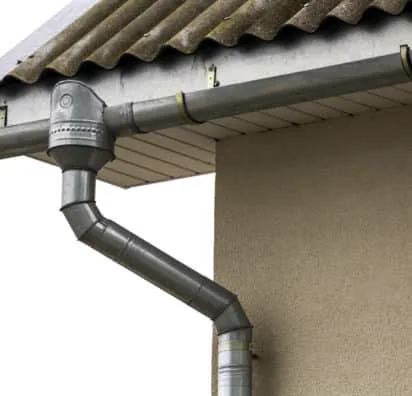
Through rain and sun. As zinc goes through wet and dry cycles, its surface turns into a stable gray layer that shields the metal underneath. Guidance published in Roofing magazine puts the timing at six months to five years or more, faster with frequent wetting and drying, and lighter in salty marine air.
Rain followed by sun builds the patina. Water that sits in a clogged trough works against it.
The patina is the protection, so zinc doesn't need paint or sealers to keep its finish.
In marine air that carries salt, the patina develops a lighter look.
Patina timing and marine color: Roofing magazine, Chip McGowan of RHEINZINK America. Wet and dry cycles: American Galvanizers Association.
A dry back side, no copper and room to move. Zinc corrodes when copper touches it or drains onto it in the rain, it moves more with heat than copper, steel or aluminum, and it shouldn't sit against materials that hold moisture. Those details are why zinc needs a professional installer.
In a city that sees about 63 inches of rain a year, the wet half of the wet and dry cycle is never in short supply. A well pitched, clean zinc gutter that empties and dries between storms is the one that ages well.
Moisture-holding materials: Roofing magazine. Copper and zinc contact: Copper Development Association. Expansion: zinc 30 to 35, aluminum 23, copper 16 millionths per degree C, per The Engineering ToolBox. Rain: NOAA normals via Current Results.
Both are natural metals that protect themselves with a patina and need no paint. The difference is mostly color and chemistry: zinc weathers gray and copper weathers green, and the two should never be mixed on one roof, because copper corrodes zinc where they meet in the rain.
| What matters | Zinc | Copper |
|---|---|---|
| Weathered color | Silver-gray | Reddish-brown, then green |
| Protection | Self-forming patina | Self-forming patina |
| Heat movement | Higher, about 30 to 35 | Lower, about 16 |
| With the other metal | Corrodes if copper touches it | Unharmed, but harms zinc |
| Installation | Professional, demanding details | Professional, joints typically soldered |
Heat movement in millionths per degree C. Sources: This Old House, Copper Development Association, The Engineering ToolBox. Ask about both in your free estimate, or call 504-208-2247.
Mostly by keeping them clear and leaving the patina alone. Zinc doesn't need paint or sealers, so care comes down to clean troughs, a look at seams and hangers after big storms, and downspouts that move the water away from the house.
Clear leaves by hand and flush with a garden hose. Leave the patina in place. It's doing a job.
A trough that empties and dries between storms ages evenly. A leaf guard system helps under trees.
Look at joints, end caps and hangers, where movement from heat and heavy water shows up first.
If a roofer adds copper flashing or vents later, make sure it isn't draining onto your zinc.
At Big Easy Gutter, we assess your roofline, recommend the zinc profile that suits your home, and prepare a free estimate for it.
Let us know the look you're after through our form, or talk to us at 504-208-2247 from Monday to Friday, 8:00 AM to 6:00 PM.
Call us at 504-208-2247 and we will walk you through it.
Request a FREE QuoteThey're worth it if you want natural metal with a gray finish and low upkeep. This Old House rates zinc for durability and low maintenance, and its patina protects the metal without paint. The trade-off is a higher upfront cost than aluminum and an installation that has to be done by a professional.
Neither is better across the board. Both form a protective patina and need no paint. Zinc weathers to gray and copper goes from reddish-brown to green, so the choice is often about color and architecture. What matters most is not mixing them, because copper corrodes zinc where the two meet.
Anywhere from about six months to five years or more, according to guidance published in Roofing magazine. Frequent wetting and drying speeds it up, so gutters in a rainy city like New Orleans tend to weather sooner than ones in a dry climate. In salty air the patina reads lighter.
Zinc doesn't rust the way steel does. It forms a stable gray patina that protects the metal underneath. That patina needs wet and dry cycles to form, so water that sits in a clogged trough, a damp underside or contact with copper are what cause problems, not normal rain.
They can, with realistic expectations. Industry guidance in Roofing magazine notes the patina appears lighter in marine air that carries salt, and the American Galvanizers Association says aggressive chlorides can attack zinc's protective layer. If your home sits close to salt water, mention it when you ask for your free estimate.
It's best not to. The Copper Development Association lists zinc as one of the main metals that copper corrodes on contact, and rainwater running from copper onto zinc can act as the path for that corrosion. Either replace the copper details or choose copper or aluminum gutters instead.
Zinc is a premium metal, so it costs more upfront than aluminum or vinyl. The final figure depends on the profile, run length, stories, downspouts and custom details. Send us your address and a few details, and we'll put together a free estimate for a zinc system.
Big Easy Gutter transformed my gutter sy