
Myth
A sagging gutter just needs to be pushed back up.
Fact
Sagging often comes from trapped water and debris or hangers spaced too far apart. Fix those, or it sags again.
At Big Easy Gutter, our gutter repair service finds out why your gutters are leaking, sagging, clogging or corroding, then fixes the cause. We work on New Orleans homes and businesses, and every estimate is free.
Good gutter repair in New Orleans starts with a diagnosis. A drip at a corner, a run that bows in the middle or water standing in the trough each has a specific cause. We inspect the system, find that cause and repair it with materials that hold up in a wet, humid climate.
If water is spilling, dripping or pooling where it shouldn't, contact us and we'll find out why.
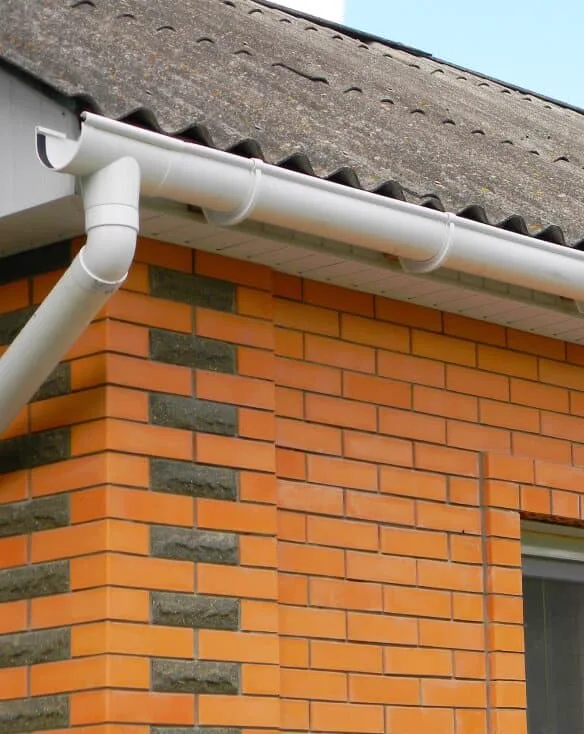
With a full inspection before any repair. We check for clogs, corrosion, sagging and leaks, and we look at how the whole system is working, from the roof edge to the downspouts. That tells us whether you need a quick fix, a bigger repair or a conversation about replacement.
We check every run for clogs, corrosion, sagging and leaks, and how water moves to the outlets.
You hear the cause of the problem, not just the symptom you can see from the yard.
We guide you through materials and options, weighing budget, looks and upkeep.
We repair the damage with quality materials so the system carries water the way it should.
Match what you see to its cause. Overflow points to a clog or misalignment, a bowed run to extra weight or loose hangers, standing water to a flat slope, and drips at the seams to joints that have opened. Each one has a different fix, which is why diagnosis comes first.
| What you see | Likely cause | Typical repair |
|---|---|---|
| Water spilling over the edge | A clog or a misaligned run | Clear the blockage, realign the run |
| A run bowing in the middle | Trapped water and debris, or hangers too far apart | Add hangers no more than 2 feet apart |
| Water standing in the trough | Slope too flat to reach the downspout | Re-pitch to at least 1/4 inch per 10 feet |
| Drips at seams and corners | Joints that have opened over time | Reseal or replace the joint |
| Gutter pulling off the house | Wind, weight or soft fascia | Check the fascia first; rotted fascia needs repair before refastening |
| Rust spots or holes | Corrosion sped up by humidity | Patch small spots, replace badly corroded sections |
General guide. Slope and hanger spacing from This Old House. We confirm the cause on site, or call 504-208-2247.
Because they work harder here than in most places. New Orleans averages about 63 inches of rain a year, high humidity speeds up corrosion in metal gutters, and strong storm winds can pull runs away from the fascia. Every heavy downpour also tests each joint and hanger in the system.
Repairs need the same care. Fastening one metal against another can cause a galvanic reaction, so a patch in the wrong material can start new corrosion. Left alone, a failing gutter sends water to the foundation and into the fascia and soffit.
Rainfall: NOAA 1991 to 2020 normals for New Orleans, via Current Results. Galvanic reaction: City of New Orleans HDLC Guidelines for Roofing, page 05-12.
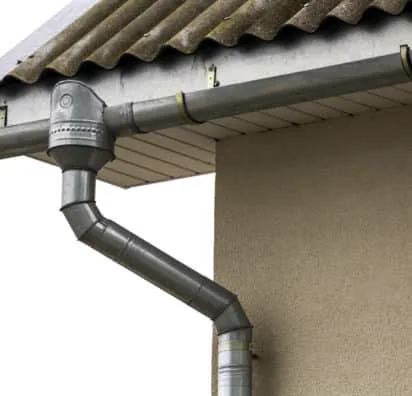
Repair when the damage is limited: minor sagging in a few spots, a leaking joint or a section of rust. Replace when the gutters are rusting, cracking or sagging in several areas, or are simply too small for your roof. At that point, a new system can be more cost-effective than repeated repairs.
If replacement is the better call, see our gutter replacement service.
A few sagging spots, one or two leaking joints, small areas of rust or a single damaged section.
Rust, cracks or sagging along several runs, or gutters that overflow because they're undersized.
We inspect the whole system and tell you which one makes sense before any work starts.
Repair vs replace guidance: This Old House; undersized gutters overflow: This Old House.
Three shortcuts tend to backfire: pushing a sagging run back up without fixing why it sagged, patching with whatever metal is on hand, and ignoring overflow because nothing is leaking indoors. Each one leaves the real problem in place to come back, usually in the next big storm.
A sagging gutter just needs to be pushed back up.
Sagging often comes from trapped water and debris or hangers spaced too far apart. Fix those, or it sags again.
Any metal patch will do.
Joining different metals can cause a galvanic reaction and new corrosion. The repair material should suit the gutter.
If nothing leaks inside, the gutters are fine.
Overflow shows up outside first, as stained siding, peeling paint and water pooling at the foundation.
At Big Easy Gutter, we inspect your gutters, explain what is causing the problem and recommend the right repair, with a free estimate.
Describe the leak, sag or overflow in a quick message and we'll arrange an inspection. To talk it through now, dial 504-208-2247, Monday to Friday, 8:00 AM to 6:00 PM.
Call us at 504-208-2247 and we will walk you through it.
Request a FREE QuoteGutters often sag because trapped water and debris weigh them down, or because the hangers are spaced too far apart or have worked loose. Missing slope and aging fasteners add to it. The fix is clearing the run, adding or replacing hangers no more than 2 feet apart and restoring the pitch.
Yes. A joint that has opened can usually be resealed, or the joint piece replaced. If seams are leaking all along a sectional system, the joints themselves are the weak point. Seamless gutters, by comparison, only have joints at the corners and outlets, which is worth knowing if the same leaks keep coming back.
Standing water usually means the slope is too flat to carry water to the downspout, or a clog is holding it back. Gutters should fall at least 1/4 inch every 10 feet toward the outlet. Clearing the blockage and adjusting the hangers restores the pitch.
Small rust spots can often be repaired, especially when the rest of the run is sound. When rust, holes or cracks have spread along several sections, the metal is deteriorating and replacement can be the better value. Our inspection checks for corrosion along with clogs, sagging and leaks.
Strong winds, the weight of clogged gutters and loose fasteners can all pull a run away from the fascia. Soft or rotted fascia is another cause, and it needs attention before the gutter is reattached, or the new fasteners have nothing solid to hold on to.
It's best avoided. Different metals in contact can cause a galvanic reaction that corrodes the gutter, so a patch in the wrong material can start a new problem. We guide you through repair materials that suit your existing gutters, along with your budget and the look you want.
At least once a year, ideally before the rainy season. If you notice overflow, sagging or water pooling near the foundation, have them looked at sooner. Small problems like a loose hanger or an open seam are far easier to repair before a heavy storm makes them worse.
Big Easy Gutter transformed my gutter system with its innovative leaf guard system. It has saved me countless hours of cleaning and maintenance. I'm truly impressed with their product and service.
The gutter leaf guard system from Big Easy Gutter is a game changer. It's incredibly effective at keeping my gutters clear, especially during the fall. Their attention to detail in the installation was commendable.
I can't thank them enough for install