Call Us Today!
Call Us Today!

DIY gutter repair can be a daunting task, but it doesn’t have to be. Leaks, blockages, and other issues can cause significant damage to your home if left unaddressed. Fortunately, there are quick fixes that you can do today to prevent further damage and restore your gutters to proper working order.
As an expert in the field, Big Easy Gutter recommends quick fixes that safeguard your home and ensure your gutters function efficiently.
One of the most common issues with gutters is leaking. Leaks can cause water to seep into your home, causing damage to walls, ceilings, and floors. Fortunately, there are several DIY fixes that you can do to stop leaks in their tracks. From cleaning the area around the leak to applying roofing cement, these fixes are simple and effective.
Another common issue with gutters is blockages. Blockages can cause water to overflow, leading to damage to your home’s foundation. Fortunately, there are several DIY fixes that you can do to clear blockages and prevent further damage. From using a power washer to clear away debris to installing gutter guards, these fixes are simple and effective.
Gutters are an essential part of any home’s exterior. They are designed to collect rainwater and channel it away from the foundation of the house. However, gutters can become clogged or damaged over time, leading to leaks and other problems.
One of the most common problems with gutters is blockages. Leaves, twigs, and other debris can accumulate in the gutters, preventing water from flowing freely. This can cause the gutters to overflow, leading to water damage to the roof, walls, and foundation of the house.
Another common problem with gutters is leaks. Leaks can occur when the gutters become damaged or when the seals between the sections of the gutter fail. Water can then seep through the cracks and cause damage to the house.
It is important to address gutter problems as soon as they arise. Neglecting gutter maintenance can lead to costly repairs down the line. Homeowners should inspect their gutters regularly and clean them out at least twice a year. In addition, any damage or leaks should be repaired promptly to prevent further damage to the house.
To summarize, gutters play a vital role in protecting homes from water damage. However, they can become clogged or damaged over time, leading to leaks and other problems. Homeowners should be aware of these issues and take steps to maintain their gutters to prevent costly repairs.
Before starting any DIY gutter repair, it is essential to have the right tools on hand. Here are some of the essential tools you will need:
In addition to the essential tools, you will also need some materials to complete the gutter repair. Here are some of the recommended materials:
By having the essential tools and recommended materials on hand, you can quickly and easily repair any leaks or blockages in your gutter system.
When it comes to DIY gutter repair, safety should always be a top priority. Here are some safety precautions to keep in mind before starting any gutter repair project:
By following these safety precautions, you can help ensure a safe and successful DIY gutter repair project.
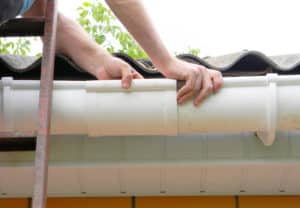 Regular inspection of gutters is an essential part of maintaining a healthy roof and drainage system. Here are some tips to help homeowners identify leaks and blockages in their gutters, which can be quickly fixed with DIY repairs.
Leaks in gutters can cause water damage to a home’s foundation, siding, and landscaping. To identify leaks, homeowners should inspect gutters during a rainstorm or after a heavy rain. They can also spray water from a hose onto the roof to simulate rain and check for leaks.
Another way to identify leaks is to inspect the gutters for water stains or mold growth. Homeowners should also check for rust or holes in the gutters, which can be repaired with a waterproof sealant or a patch kit.
Blockages in gutters can cause water to overflow and damage a home’s foundation, walls, and landscaping. To spot blockages, homeowners should inspect gutters for debris such as leaves, twigs, and dirt.
They can also check for standing water in gutters, which can indicate a blockage. Homeowners should clear blockages by removing debris from gutters with a scoop or a trowel. They can also use a hose to flush out gutters and downspouts.
In summary, regular inspection of gutters can help homeowners identify leaks and blockages, which can be quickly fixed with DIY repairs. By identifying and fixing these issues early on, homeowners can prevent costly water damage to their homes.
Gutter leaks can cause damage to the exterior and interior of a home, so it’s important to fix them as soon as possible. Here are two methods to repair gutter leaks:
Small holes in gutters can be sealed with a waterproof caulking compound. The area around the leak should be cleaned and dried before applying the compound. A wire brush can be used to clean the area, and an abrasive pad can be used to rough up the surface a little bit to help provide some texture for the roofing cement to adhere to.
Then, the compound should be squeezed into the hole and smoothed over with a putty knife. The compound should be allowed to dry for at least 24 hours before testing the repair with water.
For larger gaps, a patch can be used to repair the gutter. A piece of sheet metal or aluminum can be cut to size and placed over the gap. The patch should be at least two inches larger than the gap on all sides.
Then, the patch should be secured to the gutter with roofing screws and sealed with a waterproof caulking compound. The compound should be applied around the edges of the patch and smoothed over with a putty knife. The compound should be allowed to dry for at least 24 hours before testing the repair with water.
By following these simple steps, homeowners can quickly fix gutter leaks and prevent further damage to their homes.
Gutter blockages are a common problem that can lead to leaks and water damage if not addressed promptly. Fortunately, most blockages can be cleared with simple tools and a little bit of elbow grease.
The first step in clearing gutter blockages is to remove any debris that has accumulated in the gutters. This can include leaves, twigs, and other organic matter, as well as man-made debris such as plastic bags or toys.
To remove debris from gutters, start by using a sturdy ladder to access the gutters. Wear gloves to protect your hands from sharp objects and bacteria. Then, use a scoop or trowel to remove the debris from the gutters, placing it in a bucket or bag for disposal.
In addition to removing debris from the gutters themselves, it is important to ensure that downspouts are clear and free-flowing. Downspouts can become clogged with debris, causing water to back up and overflow from the gutters.
To unclog a downspout, start by removing any debris from the top of the downspout. Then, use a plumber’s snake or a high-pressure hose to clear the downspout from the bottom up. If the downspout is still clogged, it may be necessary to remove it from the gutter and clean it manually.
By following these simple steps, homeowners can clear most gutter blockages and prevent water damage to their homes. Regular gutter maintenance can help prevent blockages from occurring in the first place, ensuring that gutters function properly and protect homes from water damage.
Regular maintenance is key to preventing gutter problems. Here are some tips to keep gutters in good condition and avoid costly repairs:
Regular cleaning of gutters is essential to prevent blockages and leaks. Debris such as leaves, twigs, and dirt can accumulate in gutters and clog them, causing water to overflow and damage the roof, walls, and foundation.
Cleaning gutters at least twice a year, in spring and fall, is recommended. However, in areas with heavy rainfall or surrounded by trees, gutters may need to be cleaned more often.
Here are some tips for cleaning gutters:
Gutter guards are devices that cover gutters and prevent debris from entering them. They come in various materials, such as mesh, foam, and brush, and can be installed by a professional or DIYer. Gutter guards can reduce the need for frequent cleaning and prevent blockages and leaks.
Here are some benefits of installing gutter guards:
However, gutter guards may not be suitable for all types of gutters and roofs. Some gutter guards may cause water to overflow during heavy rainfall or snow, or become clogged with small debris such as pine needles or seeds. It is important to choose the right type of gutter guard for the specific needs of the house and consult a professional if unsure.
While many gutter repairs can be done by homeowners themselves, there are times when it’s best to call in a professional.
Here are a few situations when it might be wise to seek expert help:
Remember, while DIY gutter repairs can save you money, safety should always come first. If you’re unsure about tackling a repair yourself, it’s best to call in a professional.
The cost of repairing your gutters will depend on the extent of the damage and the type of repair needed. It is best to get a professional estimate from a licensed and insured gutter contractor. They can assess the damage and provide you with an accurate estimate of the repair costs.
Common gutter problems include overflowing, sagging, leaking, clogs, improper slope, and loose downspouts. Fortunately, many of these issues can be fixed with simple DIY solutions. For example, overflowing gutters can be fixed by cleaning out debris and adding downspout extensions. Sagging gutters can be re-secured with new hangers or brackets. Leaks can be fixed with sealant or by replacing damaged sections of the gutter.
The first step in fixing a leaking gutter downspout is to identify the source of the leak. This may require removing the downspout and inspecting it for damage or corrosion. Once the source of the leak is identified, it can be repaired with sealant or by replacing the damaged section of the downspout.
Yes, many small gutter repair jobs can be handled on your own with basic tools and materials. However, if you are not comfortable working on a ladder or do not have experience with gutter repairs, it is best to hire a professional.
Leaks occurring between the house and gutter can be addressed with sealant or flashing. Start by cleaning the area thoroughly and allowing it to dry completely. Then apply a generous amount of sealant or install flashing to create a watertight seal between the gutter and the house.
The most effective sealants for fixing a gutter leak are silicone, polyurethane, or roofing cement. These sealants are waterproof and can withstand extreme temperatures and weather conditions. Be sure to choose a sealant that is specifically designed for use on gutters and follow the manufacturer’s instructions for best results.

 Big Easy Gutter