
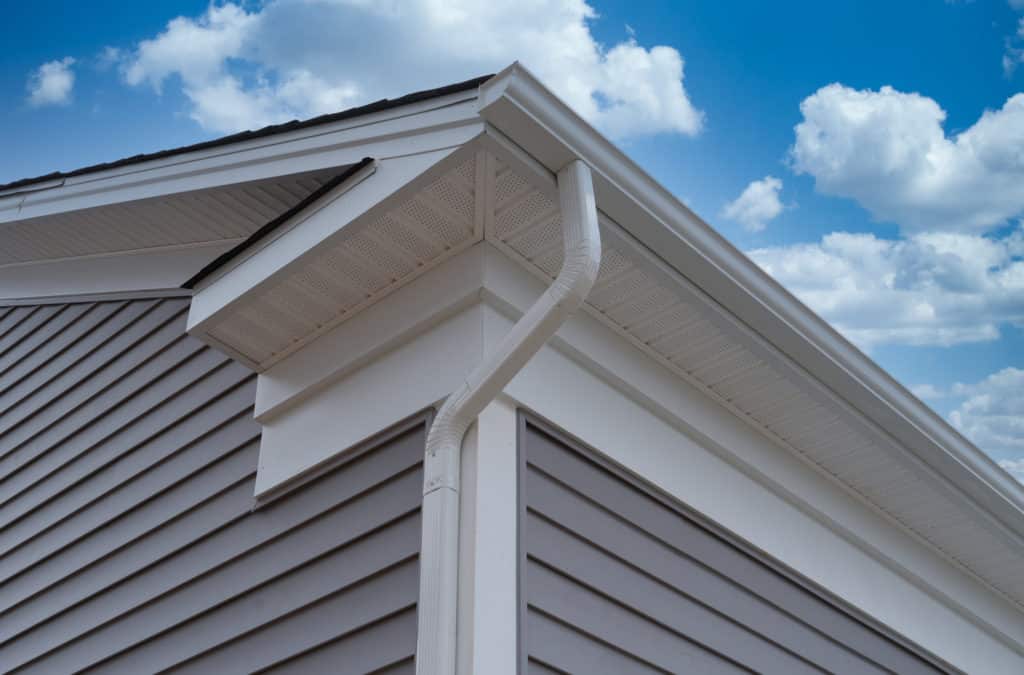
After a heavy afternoon storm, walk around your house and look at the wall line. If water is still running down the siding, soaking the soil at the foundation or puddling against the slab an hour later, that is the kind of moisture termites go looking for.
In New Orleans, termites are not an occasional nuisance. They are one of the most expensive problems a homeowner can face, and the conditions that invite them often start at the roofline.
Here at Big Easy Gutter, we work on the part of that problem that comes from the roof: gutters that overflow, leak or dump water against the house.
Termite control itself is a job for a licensed pest control professional. Keeping your walls and foundation dry is something your gutters either help with or work against.
If your gutters are overflowing or soaking the walls, contact us and we will take a look at where the water is going.
Why Termites in New Orleans Follow the Water
Subterranean termites are closely tied to moisture, which is why so much termite prevention advice is really about water. In this city, the termite that matters most has made that relationship even more important.
A Costly Local Pest
Formosan subterranean termites are a serious problem in New Orleans. LSU AgCenter researchers, writing in Louisiana Agriculture magazine in 2001, estimated $300 million of property damage per year in New Orleans alone.
That figure is old, and no one should treat it as a current count. It still shows how heavily this particular termite has weighed on the city’s housing for decades.
Nests That Can Live in Your Walls
The same LSU AgCenter article notes that the Formosan termite can build nests above ground in walls, and that those nests can store water for future use.
A colony that can live inside a wall does not always need a direct path back to wet soil. That is part of why a damp, poorly drained wall assembly is such an unwelcome condition in this climate.
Small Gaps, Hidden Damage
LSU AgCenter also describes how these termites can pass through cracks in concrete as fine as 1/16 inch, entering homes without the typical mud tubes homeowners are told to watch for.
Once inside, they can stay out of sight while doing major damage to interior walls. By the time you notice something, the problem has often been working for some time.
How Failing Gutters Put Water Where Termites Want It
Gutters exist to catch roof water and move it away from the house. When they fail, they do the opposite and concentrate water exactly where it causes the most trouble.
Overflow That Soaks the Wall Line
A clogged or undersized gutter spills over its front edge in heavy rain. That water sheets down the face of the wall and lands in a line along the foundation, often in the same place every storm.
Repeated soaking keeps the lower wall, the sill area and the soil beside the slab damp long after the rain stops. In a city where afternoon storms can come several days in a row during the wet months, that area may never fully dry between them. Our guide to how gutter overflow damages a New Orleans foundation covers what that does to the foundation itself.
Downspouts That Dump at the Foundation
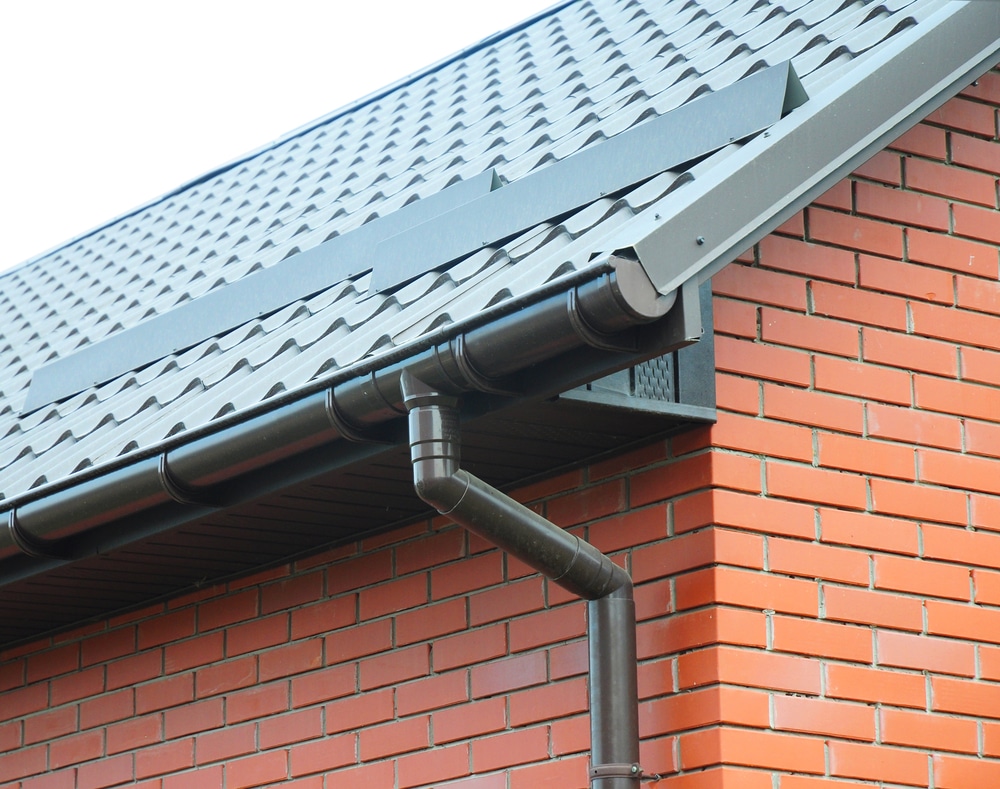 A gutter system collects water from a large roof area and sends it to a handful of downspouts. If those downspouts end right at the wall, each one becomes a concentrated source of water at the foundation.
Where that water should go instead is a topic of its own, covered in our article on where downspout water should go on a New Orleans lot.
Leaks Behind the Gutter
A gutter that pulls away from the house, or a leaking seam or corner, can send water behind the gutter and into the fascia and the wall cavity below it. This water is hidden from view, which makes it easy to miss.
The rot that follows at the roofline is its own problem, explained in our post on fascia and soffit rot. For termites, the concern is simpler: a wall that stays wet from the inside.
Splash and Wet Soil at the Slab Edge
Even a working downspout can cause trouble if the water lands on hard ground and splashes back against the wall. Over time, that splash zone stays dark and damp, and the soil there seldom gets a chance to dry out between storms.
Signs Your Walls Are Staying Too Wet
You do not need special tools to spot a moisture problem at the wall line. A few checks after a storm tell you most of what you need to know.
Water Running Down the Face of the Wall
During or just after a heavy rain, look for water sheeting down the siding or brick beneath the gutter. Any sign of it means the gutter is overflowing or leaking at that point.
Staining, Peeling and Mildew Near the Base
Dark staining, peeling paint or mildew along the lower part of an exterior wall usually points to water that keeps returning to the same spot. These marks often line up with an overflowing section or a short downspout above.
Soil That Never Dries at the Drip Line
Look at the ground directly beneath the eaves and around each downspout. A strip of soil that stays dark, soft or eroded while the rest of the yard has dried is a strip that is getting more water than it should.
Gutters That Have Pulled Away From the House
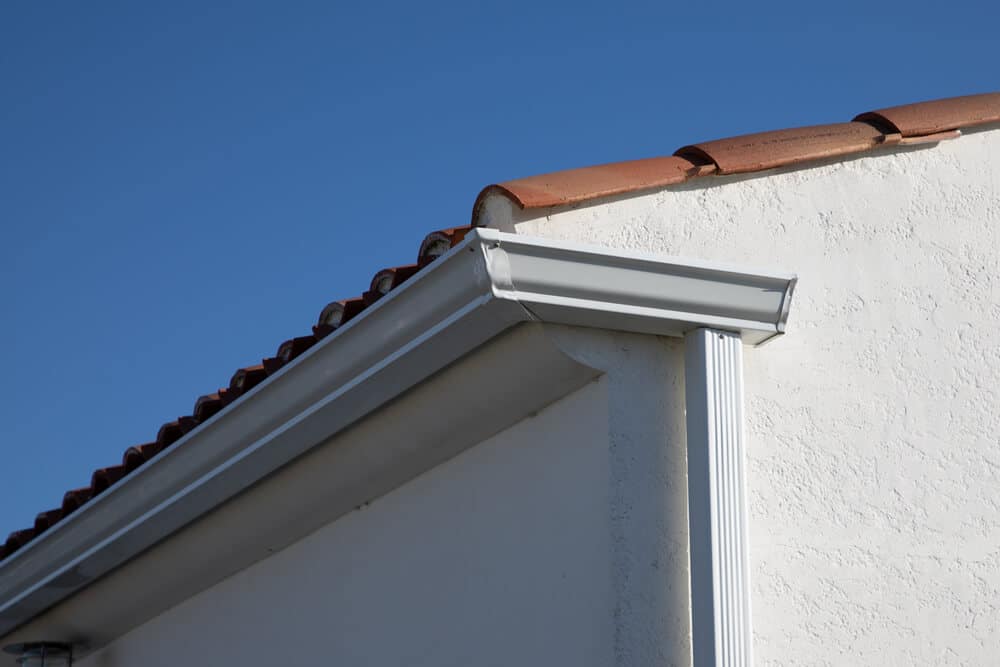 Look along the roofline from the ground. A gutter that leans outward, sags between hangers or shows a gap at the fascia lets water fall straight past it or drip down the back of the board.
Either way, that water lands at the wall line. A sagging run also holds standing water in its low spots, which adds weight and makes the problem worse with every storm.
Puddles Against the Slab or Piers
Standing water against a slab edge, or around the piers of a raised house, means water is being delivered to the foundation faster than it can drain away.
If you see signs of termites themselves, such as mud tubes, damaged wood or swarming insects, call a licensed pest control professional. Gutters do not solve a termite problem that is already present.
It also helps to note where each wet spot sits relative to the gutters and downspouts above it. That record makes it much quicker to match each symptom to its source when the gutters are inspected.
What Keeps a New Orleans Wall Line Dry
Mississippi State University Extension, in its guide for homebuilders on termites, lists installing gutters and downspouts to minimize water around the foundation wall among its building practices for termite resistance. Its other recommendations point the same way: slope the ground and hard surfaces away from the house, avoid roof and flashing leaks, and keep crawl spaces well drained and ventilated.
The same publication is clear that these steps make a building less susceptible to termite attack but will not provide adequate protection on their own. Moisture control supports professional termite protection. It does not replace it.
| Gutter Problem | What It Does to the Wall Line | What Helps |
|---|---|---|
| Clogged gutters | Water spills over the front edge and soaks the wall and soil below | Regular cleaning, or a leaf guard system on trees that shed heavily |
| Short downspouts | Roof water is released right at the foundation in a few concentrated spots | Carry the water away from the house to ground that slopes away |
| Leaking seams or corners | Water drips behind the gutter into the fascia and wall below | Reseal or repair the joint, and replace sections that keep failing |
| Gutters pulling away or sagging | Water misses the gutter or pools in low spots and overflows | Refasten and re-pitch the run so water flows to the downspouts |
Gutters That Can Handle the Rain
A gutter that is too small, poorly pitched or full of debris will overflow in the kind of storm New Orleans sees regularly. Sizing the system to the roof, setting the right slope toward the downspouts and keeping it clear all reduce how often water ends up against the wall.
A simple test is to watch the gutters during a hard rain. Water should move steadily toward each downspout. If it spills over the front at one spot, that section is clogged, sagging or pitched the wrong way.
On homes under heavy tree cover, a leaf guard system can cut down on the clogging that causes most overflow.
Downspouts That Release Water Away From the House
Each downspout should deliver its water to ground that carries it away from the foundation. That may mean extensions, a different discharge point, or rethinking where the downspouts sit on the house.
If your downspouts feed underground drain lines, check that the water actually comes out the other end. A buried line that is crushed or packed with debris can back up and overflow at the top, right beside the wall, which defeats the purpose of having it.
Crawl Spaces That Drain and Breathe
Many older New Orleans homes sit on piers with a crawl space underneath. Mississippi State University Extension advises keeping crawl spaces well drained and properly ventilated to minimize moisture problems.
Gutters play a part here as well. Roof water that lands along the edge of a raised house can run straight under it, so getting the downspouts to discharge away from the perimeter helps keep the crawl space from staying wet.
Ground and Surfaces That Slope Away
The Mississippi State guidance on grading applies here too. Soil, walkways and patios that slope toward the house funnel water back against it, even when the gutters are working perfectly.
What This Means for Your New Orleans Home
In this city, a dry wall line is part of protecting a house from termites, and gutters play a direct role in keeping it dry. Overflow, leaks and short downspouts all deliver water to exactly the places you want to keep dry.
Termite inspections and treatment belong with a licensed pest control professional. What we can do is make sure the roof water goes where it should.
At Big Easy Gutter, we handle gutter repair and gutter installation across the New Orleans area, so the water off your roof ends up away from your walls.
To have your gutters checked, call us at (504) 208-2247.
Frequently Asked Questions
Do clogged gutters attract termites?
Clogged gutters do not attract termites directly, but they can create the moist conditions that termite prevention guidance tries to avoid. Overflow keeps the wall line and the soil at the foundation wet, when the goal is to keep water away from the foundation wall.
Can fixing my gutters prevent termites?
Fixing your gutters can reduce moisture around the house, which makes a building less susceptible to termite attack. Mississippi State University Extension notes that measures like this will not provide adequate protection on their own. Professional termite protection from a licensed pest control company is still needed, and dry walls are one supporting layer alongside it.
Why are Formosan termites such a problem in New Orleans?
LSU AgCenter researchers estimated in 2001 that Formosan termites caused $300 million of property damage per year in New Orleans alone. They also note these termites can build nests in walls that store water and can enter through very small cracks in concrete.
Where should my downspouts drain?
Downspouts should release water onto ground that carries it away from the house, not against the foundation. The right discharge point depends on your lot, your soil and how the ground slopes, and our guide on downspout water covers the options in detail.
What are signs my walls are staying too wet?
Common signs include water running down the wall during rain, staining or mildew near the base of exterior walls, soil that stays soft and dark under the eaves, and puddles against the slab or piers after storms. Checking right after a heavy rain is the easiest way to see where the water actually goes.
I think I have termites. Should I call a gutter company?
No, call a licensed pest control professional first. They can confirm whether termites are present and recommend treatment. Once that is in hand, we can help with the gutter side of keeping the area dry, so the conditions around the house support the treatment.
Do gutter guards help with moisture problems?
Gutter guards can reduce the debris that clogs gutters, which cuts down on overflow during heavy rain. They do not fix leaking seams, poor pitch or short downspouts, so the whole system still needs to work together. They suit homes under heavy tree cover best.
How often should gutters be checked in New Orleans?
A good habit is to look at your gutters after major storms and before the heavier rain months, and to clear them whenever debris builds up. Homes under large trees usually need more frequent attention than homes in the open. If you are not comfortable working on a ladder, leave the checks above ground level to a professional.