

Gutter maintenance is a vital yet frequently overlooked aspect of home care. Gutters serve a pivotal role in safeguarding your home against water damage, leaks, and pest infestations.
Consistent maintenance is key to ensuring they remain functional, preventing potential costly repairs in the future.
Partnering with Big Easy Gutter ensures your gutter system is well-maintained, providing peace of mind and protecting your home from the adverse effects of improper gutter care.
The importance of gutter maintenance cannot be overstated. Neglected gutters can obstruct the flow of water, causing it to overflow and accumulate on the roof. This standing water can seep into the roofing material, leading to moisture-related issues such as mold and mildew growth and structural damage to the walls and foundation.
Additionally, clogged or damaged gutters can compromise the health of your home’s siding, foundation, and landscaping.
Homeowners should make it a priority to inspect and clean their gutters at least twice a year. Regular maintenance can help identify and address any issues before they become major problems. By taking care of your gutters, you can protect your home and ensure that it remains in top condition for years to come. If your home is across the river, our guide to how rain, low ground and older homes shape gutter care in Gretna covers the local details.
Why Gutter Maintenance Is Crucial
Regular gutter maintenance is essential for homeowners to prevent water damage and protect their roof. Gutters are designed to channel water away from the house, but they can become clogged with leaves, debris, and other materials, which can cause water to overflow and damage the home’s foundation, walls, and landscaping.
In this section, we will discuss why gutter maintenance is crucial and how it can help prevent damage to your home.
Preventing Water Damage
One of the main reasons why gutter maintenance is essential is to prevent water damage to your home. When gutters become clogged, water cannot flow through them properly, and it can overflow and seep into the foundation of your home.
This can cause significant damage to the structure of your house, including cracks in the foundation, mold growth, and even flooding in the basement. Regular gutter maintenance can help prevent these problems by ensuring that water is properly channeled away from your home.
Protecting the Roof
Another important reason why gutter maintenance is crucial is to protect your roof. When gutters are clogged, water can back up onto the roof, which can cause leaks and damage to the roof structure. If a stain has already shown up indoors, our guide to tracing attic and ceiling stains back to the gutters explains how to tell whether the gutters are the source.
Over time, this can lead to costly repairs and even the need for a new roof. Regular gutter maintenance can help protect your roof and prolong its lifespan by ensuring that water is properly channeled away from it.
To summarize, gutter maintenance is essential for homeowners to prevent water damage and protect their roof. By regularly cleaning and maintaining your gutters, you can prevent costly repairs and ensure that your home is protected from water damage.
Understanding Gutter Systems
Types of Gutters
Gutters come in different shapes, sizes, and materials. The most common types of gutters include:
- K-style gutters: These gutters have a flat bottom and a decorative front that resembles the letter K. They are popular among homeowners because they can hold more water than half-round gutters.
- Half-round gutters: These gutters are half-circle in shape and have a traditional look. They are usually made of copper or aluminum and are ideal for homes with a classic architectural style.
- Box gutters: These gutters are designed to be integrated into the roof structure and are usually hidden from view. They are commonly used in commercial buildings and high-end homes.
How Gutters Work
Gutters are an essential part of a home’s roofing system. They collect rainwater that runs off the roof and direct it away from the house’s foundation. Without gutters, rainwater can cause damage to the home’s exterior, foundation, and basement.
When it rains, water flows down the roof and into the gutters, which are sloped towards the downspouts. The downspouts then carry the water away from the house and deposit it on the ground or into a drainage system.
Proper gutter maintenance is crucial to ensure that the gutters function properly. Over time, gutters can become clogged with leaves, debris, and other materials, which can prevent water from flowing freely. This can cause water to overflow and damage the home’s exterior and foundation. Regular gutter cleaning and maintenance can prevent these issues.
Regular gutter maintenance also involves checking for leaks, cracks, and other damage. If left unrepaired, these issues can cause water to seep into the home and cause water damage, mold growth, and pest infestations. Repairing these issues promptly can prevent costly repairs in the future.
In conclusion, understanding how gutters work and the different types of gutters available can help homeowners make informed decisions about their home’s roofing system. Regular gutter maintenance is essential to ensure that gutters function properly and protect the home from water damage.
Regular Gutter Cleaning
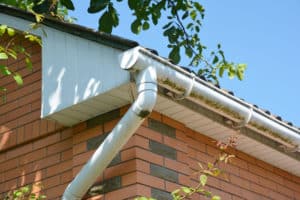 Regular gutter cleaning is an essential aspect of gutter maintenance. It helps to prevent clogs and blockages that can lead to water damage, leaks, and other issues.
Here are some best practices for regular gutter cleaning:
Best Practices
- Safety: Safety should always come first when cleaning gutters. Use a sturdy ladder and wear protective gear such as gloves and safety glasses to prevent injury.
- Remove debris: Remove any debris such as leaves, twigs, and dirt from the gutters. This can be done using a scoop, your hands, or a brush.
- Check for damage: While cleaning the gutters, check for any damage such as cracks, sags, and gaps. This can help to identify any problems early on and prevent them from becoming more serious.
- Flush the gutters: After removing debris, flush the gutters with water to ensure that they are clear of any remaining dirt or debris.
Recommended Frequency
The frequency of gutter cleaning depends on several factors such as the location of the home, the number of trees around the home, and the weather conditions in the area. As a general rule, it is recommended to clean gutters at least twice a year. However, if there are many trees around the home, it may be necessary to clean gutters more frequently.
Regular gutter cleaning is an important part of gutter maintenance. By following best practices and cleaning gutters at the recommended frequency, homeowners can ensure that their gutters are functioning properly and prevent costly damage to their homes.
Gutter Inspection and Monitoring
Regular gutter inspection and monitoring are essential for ensuring the proper functioning of the gutter system. By identifying issues early on, homeowners can prevent potential damage to their property and maintain the longevity of the gutter system.
Identifying Issues Early
During routine gutter maintenance, homeowners should be vigilant in identifying common issues such as clogs, leaks, and damage to the gutter structure. This can be achieved by visually inspecting the gutters for debris buildup, checking for signs of water overflow, and examining the condition of the gutter seams and downspouts.
When to Call Professionals
In some cases, homeowners may encounter complex issues that require professional intervention. If they notice extensive damage, persistent clogs, or sagging gutters, it is advisable to seek the expertise of professional gutter maintenance services.
Additionally, seeking professional assistance for thorough inspections and maintenance can provide homeowners with peace of mind and ensure the optimal performance of their gutter system.
Repairing and Replacing Gutters
Common Gutter Problems
Gutters are an essential component of a home’s drainage system, and neglecting them can lead to serious problems. Over time, gutters can become clogged with debris, causing water to overflow and damage the roof, walls, and foundation of the house. This can lead to costly repairs and even compromise the structural integrity of the building.
Some common gutter problems that homeowners may encounter include:
- Clogged gutters: Leaves, twigs, and other debris can accumulate in gutters, preventing water from flowing freely. This can cause water to overflow and damage the roof and walls of the house.
- Sagging gutters: Over time, gutters can become loose and sag, causing water to pool in certain areas. This can lead to damage to the roof and walls of the house.
- Leaky gutters: Gutters can develop leaks over time, which can cause water to seep into the walls and foundation of the house. This can lead to mold growth and structural damage.
DIY vs. Professional Repairs
When it comes to repairing or replacing gutters, homeowners may wonder whether they should attempt to do it themselves or hire a professional. While some minor repairs can be done by homeowners, more extensive repairs or replacements may require the expertise of a professional.
DIY repairs may be suitable for minor issues such as cleaning gutters or patching small leaks. However, homeowners should exercise caution when attempting to repair gutters themselves. Climbing ladders and working on a roof can be dangerous, and without proper training, homeowners may not be able to identify all of the potential issues with their gutters.
Professional repairs or replacements may be necessary for more extensive issues such as sagging or damaged gutters. A professional can assess the condition of the gutters and recommend the best course of action. They can also ensure that the gutters are installed correctly and functioning properly, reducing the risk of future problems.
In conclusion, regular gutter maintenance is crucial for homeowners to prevent costly damage to their homes. While some minor repairs can be done by homeowners, more extensive repairs or replacements may require the expertise of a professional.
Homeowners should exercise caution when attempting to repair gutters themselves and consider hiring a professional for more extensive repairs or replacements.
Gutter Guards and Accessories
Types of Gutter Guards
Gutter guards are essential accessories that homeowners can install to prevent debris from clogging their gutters. There are several types of gutter guards available in the market.
Some of the common types include:
- Mesh Gutter Guards: These are made of metal or plastic mesh and are placed over the gutter to prevent debris from entering the gutter.
- Reverse Curve Gutter Guards: These are designed to allow water to flow smoothly into the gutter while keeping debris out. They are made of aluminum or vinyl and are installed at an angle to allow debris to slide off the roof.
- Foam Gutter Guards: These are made of porous foam that fits inside the gutter. They allow water to flow through while keeping debris out.
Benefits of Gutter Accessories
Gutter accessories are additional tools that homeowners can use to make their gutters more effective. Some of the benefits of gutter accessories include:
- Gutter Cleaning Tools: These are tools designed to make it easier for homeowners to clean their gutters. They include gutter scoops, brushes, and blowers.
- Gutter Sealants: These are used to seal leaks in gutters. They are available in different forms, including tapes, sprays, and liquids.
- Downspout Extensions: These are used to direct water away from the foundation of the house. They are especially useful in areas with heavy rainfall.
- Gutter Hangers: These are used to secure gutters to the roof. They help to prevent sagging and ensure that the gutters remain in place.
In summary, gutter guards and accessories are essential tools that homeowners can use to maintain their gutters. They help to prevent clogging, leaks, and other problems that can arise from poor gutter maintenance. By investing in these tools, homeowners can ensure that their gutters remain in good condition and protect their homes from water damage.
The Impact of Weather on Gutters
Gutters are an essential part of any home’s roofing system, responsible for collecting and channeling rainwater away from the roof and foundation of a building. However, gutters are also vulnerable to the effects of weather, which can cause damage and reduce their effectiveness over time. In this section, we will discuss the impact of weather on gutters and provide some tips for seasonal maintenance and preparing for extreme weather.
Seasonal Maintenance Tips
To keep gutters functioning effectively, it is important to perform regular maintenance tasks throughout the year. Here are some tips for seasonal gutter maintenance:
- Spring: After the winter thaw, clean out any debris that has accumulated in the gutters, including leaves, sticks, and other debris that may have blown in during the winter. Check for any damage that may have occurred during the winter, such as cracks or holes, and repair as necessary.
- Summer: Check gutters for any signs of wear and tear, including rust, corrosion, or sagging. Trim back any overhanging tree branches that may be contributing to clogs or damage.
- Fall: Clean out gutters thoroughly to prepare for the upcoming winter months. Remove all debris and check for any damage that may have occurred during the summer. Consider installing gutter guards to help prevent clogs caused by falling leaves and other debris.
- Winter: During the winter months, it is important to keep gutters free of ice and snow buildup, which can cause damage and reduce their effectiveness. Use a roof rake to remove snow from the roof, and consider installing heating cables to prevent ice buildup.
Preparing for Extreme Weather
Extreme weather events, such as heavy rain, high winds, and severe storms, can cause significant damage to gutters and other parts of a home’s roofing system.
Here are some tips for preparing gutters for extreme weather:
- Check gutters for any signs of wear or damage before extreme weather events are forecasted. Repair any damage as soon as possible to prevent further damage.
- Clean gutters thoroughly before a storm to ensure that they can handle heavy rainfall and prevent water damage to your home.
- Consider installing storm shutters or other protective measures to prevent damage from high winds and flying debris.
- If you live in an area prone to hurricanes or other severe weather events, consider investing in hurricane strap