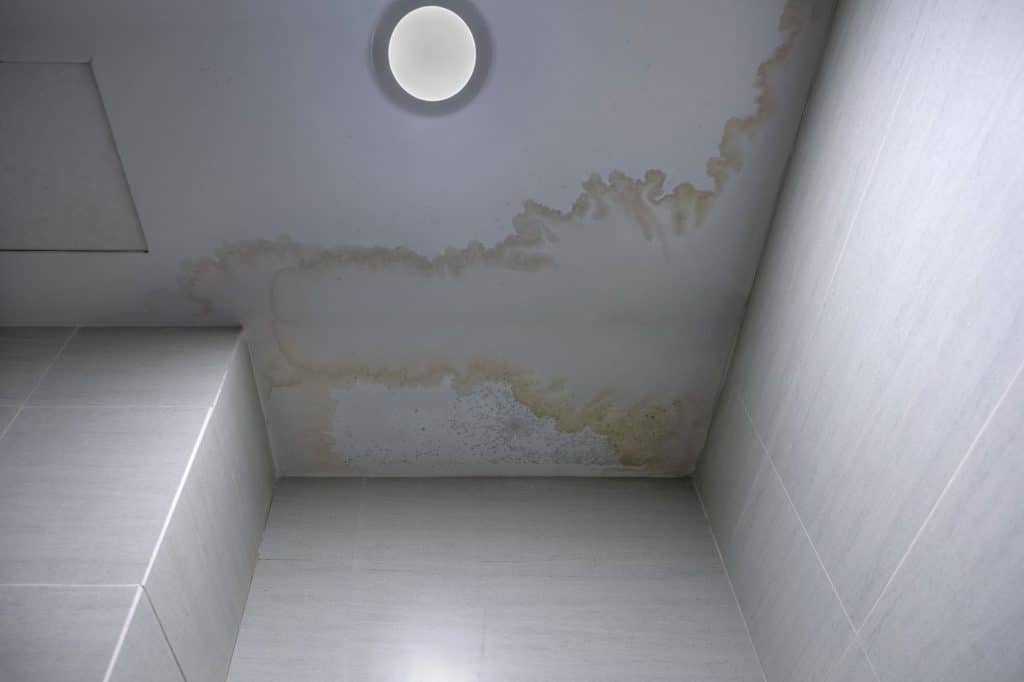
A lot of ceiling-stain advice is written for cold climates, where ice dams on a snowy roof are the usual suspect. New Orleans is a different case: NOAA’s 1991 to 2020 normals show no measurable normal snowfall at the New Orleans International Airport station and only about four to five nights a year at or below freezing at its two New Orleans stations.
So when a stain appears on a ceiling here, the water usually arrived as rain, from a pipe or from the air conditioning. Working out which one is the first job.
At Big Easy Gutter, we repair and replace gutters across the New Orleans area, and a ceiling stain along an outside wall is one of the signs that can lead back to them.
This guide walks through where a stain sits, what that location suggests, and how to tell a gutter problem from a roof, plumbing or air conditioning leak.
If a stain shows up after heavy rain near an outside wall, contact us and we will look at your roof edge, your trim and where the water ends up.
How Soon Should a Ceiling Stain Worry You in a New Orleans Home?
Right away, in the sense that the water source should be found quickly. A small stain is often the visible end of a bigger wet area above it.
The 24 to 48 Hour Window
The EPA’s guide to mold and moisture says that when water leaks indoors, you should act quickly. If wet or damp materials are dried within 24 to 48 hours of a leak, in most cases mold will not grow.
A ceiling stain means water has already soaked into the material. If the stain is new, darkening or still damp to the touch, the clock on drying it out has started.
That is also why an answer to “how long does it take for a water spot to form?” matters less than what you do once you see one. The useful question is whether the area can be dried within that window.
When a Stain Means Hidden Moisture
The EPA lists the back side of drywall and the top side of ceiling tiles among the places mold can hide. It also names roof materials above ceiling tiles, where roof leaks or insufficient insulation keep them damp.
In other words, the stain you see may be smaller than the wet area you cannot see. The EPA suggests considering an experienced professional if you believe you may have a hidden mold problem.
Scale matters as well. Where there has been a lot of water damage, or mold covers more than 10 square feet, the EPA points homeowners to its more detailed remediation guidance rather than a simple cleanup.
Stains That Keep Coming Back
A stain that dries, fades and returns after the next heavy rain points to an outside water source. Plumbing and air conditioning leaks usually do not wait for a storm.
That link to the weather is one of the most useful clues you have. Note the date of each storm and whether the stain grew afterward.
A quick photo of the stain after each rain, taken from the same spot, makes changes easy to see. Mark the edge of the stain lightly with a pencil and you will know at a glance whether it is spreading.
Stain Locations That Point to the Gutters
Gutter-related stains share one trait: they sit near the outside walls, under the eaves, where the roof edge and the gutter meet.
Stains Along an Outside Wall: Water Entering at the Roof Edge
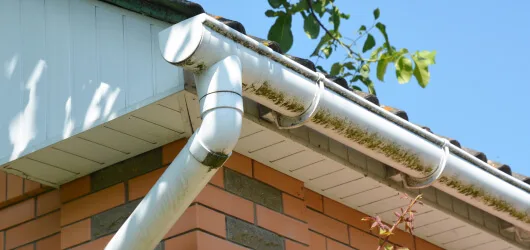
A stain in the corner where the ceiling meets an exterior wall, directly under an eave, is in the zone where gutter water can get in. The roof edge, the fascia board and the top of the wall all meet there.
The USDA Forest Products Laboratory’s Wood Handbook lists faulty gutters, along with roof leaks and wind-driven rain, among the ways water drains into exterior walls. Water that gets into the top of a wall can show up first at the ceiling edge.
If the stain lines up with a gutter corner, a seam or a downspout outlet above it, that part of the gutter is the first thing to check.
Stains That Appear Only in Heavy Rain: An Overflowing Run Above
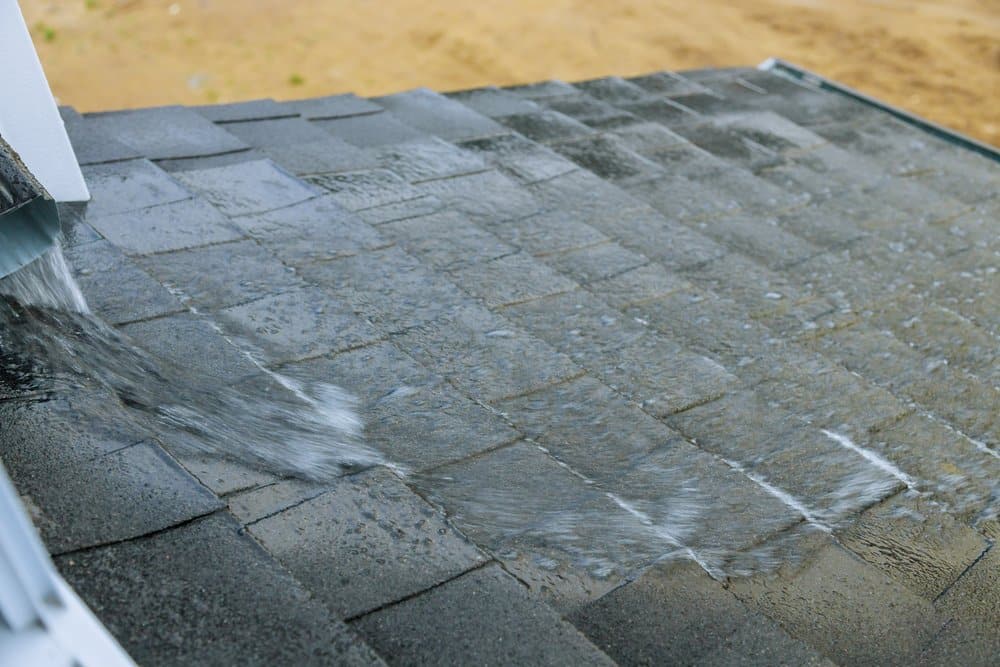 A clogged or sagging gutter may handle a light shower and still fail in a downpour. When it overflows, water can spill over the back edge as well as the front, toward the fascia instead of away from the house.
If your stain grows after hard storms but stays the same through light rain, go outside during the next heavy rain and watch the gutter above it. Water spilling over the edge at that spot is a strong sign.
On homes under heavy tree cover, clogs are the most common reason a gutter overflows. A leaf guard system can cut down on that buildup.
Damp Wood at the Attic Edge: Water Getting Past the Fascia Line
If you can safely get into the attic, look along the outside edge where the roof meets the walls. Dark, damp or stained wood at that edge, under an eave with a gutter, points to water getting in at the roof edge.
The City of Gretna’s historic district guidelines recommend checking attic areas after heavy rains to make sure water is not entering the building. They add that condensation or moisture should be noted, since it can also point to poor venting. Our guide to gutter care in Gretna covers the other checks in those guidelines.
When the wood at that edge is already soft, our post on fascia and soffit rot explains what that means for the roofline.
A Gap Between the Roof Edge and the Gutter
The Louisiana Residential Code, which adopts the 2021 International Residential Code, requires a drip edge at the eaves of shingle roofs. It must extend at least 1/4 inch below the roof sheathing and at least 2 inches back onto the roof deck.
The drip edge is the part of the roof edge that hands water off toward the gutter. From the ground, look for a gutter that has pulled away from the fascia, leaving a gap where water can fall behind it.
A gutter that has dropped away from the roof edge is a gutter problem. A missing or damaged drip edge is a roof problem, and that part belongs with a roofer.
Stain Patterns That Point Somewhere Else
Not every ceiling stain is a gutter stain. Ruling out the other sources saves time and keeps the repair aimed at the right place.
Stains Under a Bathroom or Along Pipes: A Plumbing Leak
A stain below a bathroom, a kitchen or a run of pipes, especially one that grows whether or not it rains, points to plumbing. The EPA’s guide lists plumbing leaks among the first water problems to fix as soon as possible.
The EPA also names areas inside walls around leaking or condensing pipes among the places mold can hide. That is a job for a plumber, not a gutter contractor.
Stains Near Air Conditioning Equipment: A Drip Pan or Drain Line
An air conditioner also pulls water out of humid air, and that water has to drain away through a pan and a line. A stain near an air handler, a return grille or a duct run is often tied to that water.
The EPA advises keeping air conditioning drip pans clean and drain lines unobstructed and flowing properly. If your stain sits near that equipment and shows up on hot, dry days, call an HVAC technician first.
Stains in the Middle of the Ceiling: A Roof Problem
A stain far from any outside wall, in the middle of a room, usually starts somewhere in the roof field, away from the gutters. The building code requires flashing around roof openings and wherever the roof changes slope or direction, and those spots are common places to look.
Those repairs belong with a roofer. Gutters collect water at the edge of the roof, so a mid-ceiling stain is unlikely to trace back to them.
Stains Where a Roof Meets a Wall
Where a lower roof meets a taller wall, the code requires flashing to divert water away from the point where the eave meets the sidewall. A stain near that kind of intersection is usually a flashing question for a roofer, even if a gutter sits nearby.
Why New Orleans Homes Are Especially Prone to Gutter-Related Ceiling Stains
The rain here comes hard and often, and the ice-dam explanation that fits colder places does not apply. That leaves the roof edge and the gutters as a more common path for storm water than many homeowners expect.
| Factor | Effect on Ceilings and Attics | What Helps |
|---|---|---|
| Heavy downpours | Clogged or sagging runs overflow toward the fascia and the top of the wall | Gutters kept clear and pitched to drain to the downspouts |
| Gutters pulling away | Water falls behind the gutter instead of into it | Refasten the run tight to sound fascia |
| Air conditioning | Drip pans and drain lines can leak and stain ceilings in any weather | Rule out the AC before blaming the roof edge |
| Rare freezes, no snow | Ice dams are an unlikely cause of a stain here | Look at rain paths at the roof edge first |
The freezing numbers are worth stating plainly. NOAA’s normals put the New Orleans Audubon station at about 3.7 nights a year at or below freezing and the airport station at about 5.4, with no measurable normal snowfall at the airport.
Ice dams need snow and ice on the roof. Without them, the ice-dam advice that fills many ceiling-stain articles does not fit a New Orleans home.
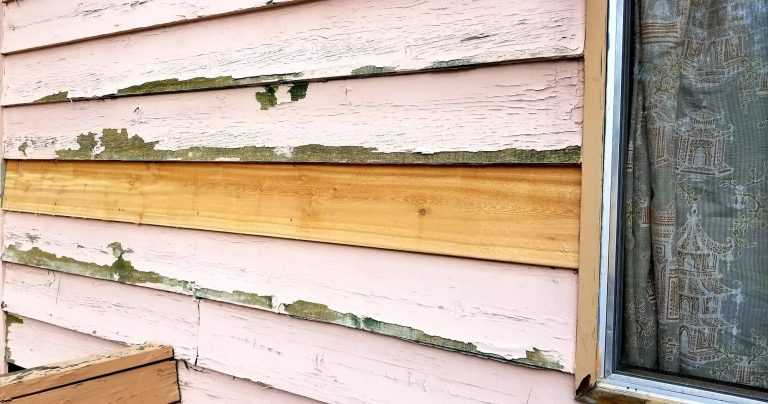
Water on the outside of the house matters too. The same gutter problems that stain ceilings also soak siding and walls, which our posts on why paint and siding fail early behind bad gutters and moisture, termites and dry walls cover.
Trace the Stain Before You Repair the Ceiling
Painting over a stain without stopping the water only hides it until the next storm. The location of the stain, its link to the weather and what you see outside in a hard rain will usually point to the source.
If the trail leads to the plumbing, the air conditioning or the roof field, those trades are the right call. If it leads to the gutter above an outside wall, the fix starts at the roof edge.
The EPA notes that porous materials such as ceiling tiles may have to be thrown away if they become moldy, and that mold can leave stains that do not clean up fully. Stopping the water early keeps the damage smaller.
At Big Easy Gutter, we handle gutter repair for overflowing, leaking and sagging runs across the New Orleans area, and estimates are free.
To have the gutters above a stained ceiling checked, call us at (504) 208-2247.
Frequently Asked Questions
When should I worry about a water stain on my ceiling?
As soon as you find it, because the water source should be tracked down quickly. The EPA says that if wet materials are dried within 24 to 48 hours of a leak, in most cases mold will not grow.
Can clogged gutters cause a ceiling leak?
They can. A clogged or sagging gutter that overflows in heavy rain can send water toward the fascia and the top of the wall, and the USDA Forest Products Laboratory lists faulty gutters among the ways water drains into exterior walls. A stain from that source usually sits near an outside wall under the eave.
How can I tell if a ceiling stain is from the gutters or the roof?
Look at where it sits. A stain along an outside wall under a gutter, which grows after heavy rain, points to the roof edge and the gutter, while a stain in the middle of a room usually starts in the roof field and belongs with a roofer.
How long does it take for water spots to form on a ceiling?
It varies with how much water gets in and what the ceiling is made of, so there is no single answer. What matters more is drying the area quickly, since the EPA’s guidance is to dry water-damaged materials within 24 to 48 hours.
How do I get rid of brown water stains on my ceiling?
Stop the water first, or any repair will stain again. The EPA notes that mold can leave staining that may not clean up fully and that moldy porous materials such as ceiling tiles may have to be thrown away, so cosmetic repair is a job for after the source is fixed. Make sure the area has dried completely before any repair starts.
Could my air conditioner be causing the stain instead?
Yes, if the stain sits near an air handler, a duct or a return and shows up even in dry weather. The EPA advises keeping air conditioning drip pans clean and drain lines flowing properly, so an HVAC technician is the right first call. If the stain only appears during storms, look at the gutters and roof edge instead.
Do ice dams cause ceiling stains in New Orleans?
Not usually. NOAA’s normals show about 3.7 to 5.4 nights a year at or below freezing in the area and no measurable normal snowfall at the airport station, and ice dams need snow and ice on the roof.
Will homeowners insurance cover water damage to a ceiling?
It depends on your policy. Check with your insurance company or agent about what your coverage includes.